
Introduction
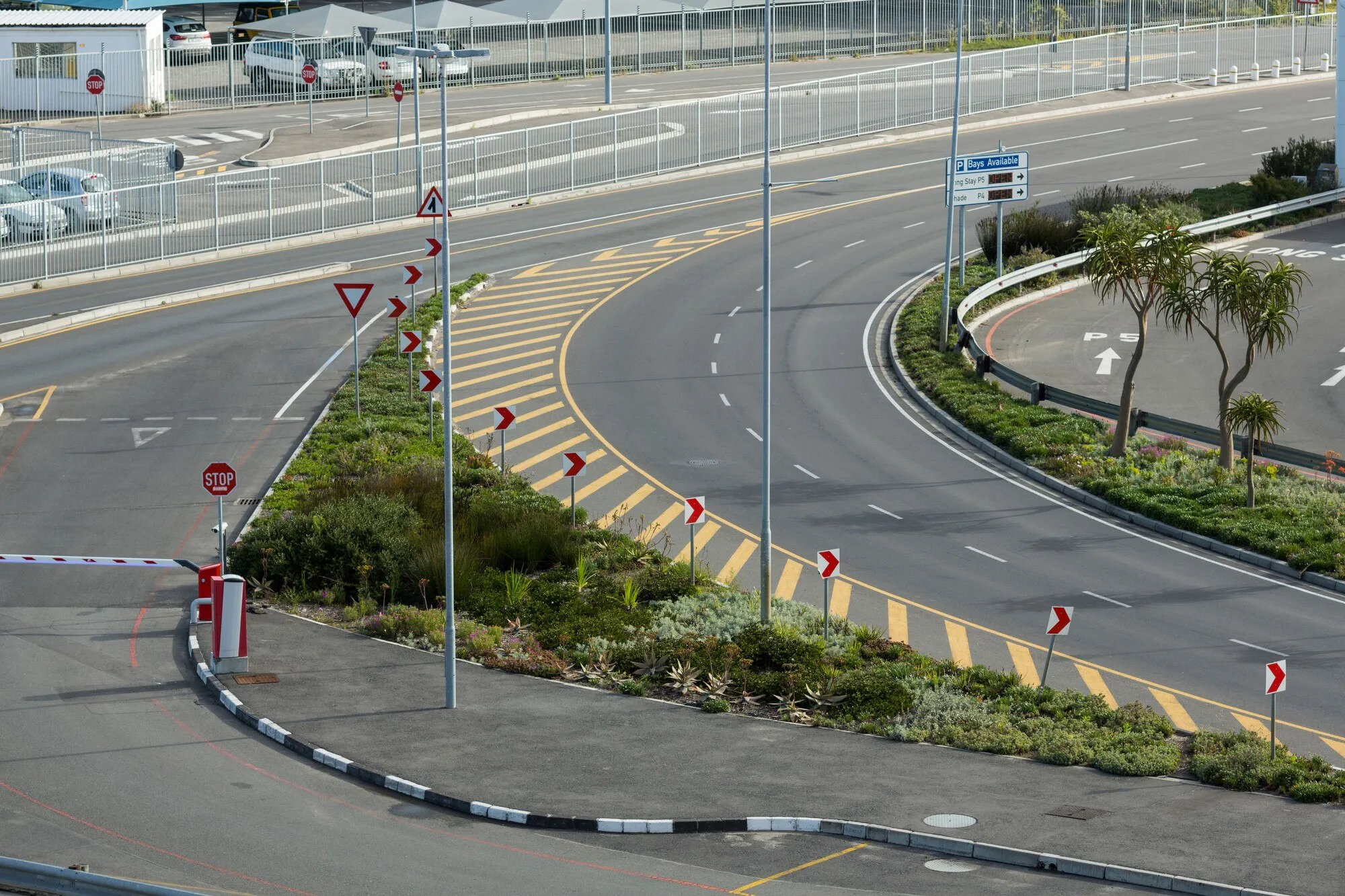
Parking performance directly influences the functionality of any residential, commercial, healthcare, educational, or mixed-use development. Insufficient parking capacity or poor circulation creates operational inefficiencies, traffic congestion, and user dissatisfaction.
Risks of Inadequate Parking Planning
- Parking Spillover
- Internal Congestion
- Inefficient Vehicle Circulation
- Reduced Accessibility
- Increased Conflict Points
Technical Components
- Parking Demand Assessment
- Peak Parking Accumulation
- Shared Parking Analysis
- Parking Supply Evaluation
- Internal Circulation Analysis
- Parking Layout Optimization
Project Benefits
- Maximum land utilization
- Improved circulation efficiency
- Better accessibility
- Compliance with authority standards
3. Traffic Engineering Is Not Optional. It Is the Foundation of Sustainable Infrastructure Development
Introduction
Transportation systems determine the long-term performance of every urban development. Traffic engineering integrates planning, operational analysis, and engineering design to create safe and efficient transportation networks.
Engineering Challenges Without Proper Traffic Planning
- Capacity Deficiencies
- Intersection Failure
- Safety Hazards
- Poor Connectivity
- Increased Travel Delay
Core Engineering Studies
- Traffic Simulation
- Capacity Analysis
- Corridor Studies
- Signal Optimization
- Network Analysis
- Future Traffic Forecasting
Long-Term Advantages
- Improved Level of Service
- Better Road Network Performance
- Sustainable Mobility
- Lower Operational Costs